

Manifest on Digital Sovereignty
Karlsruhe's sovereignty ecosystem commits to a unified stance
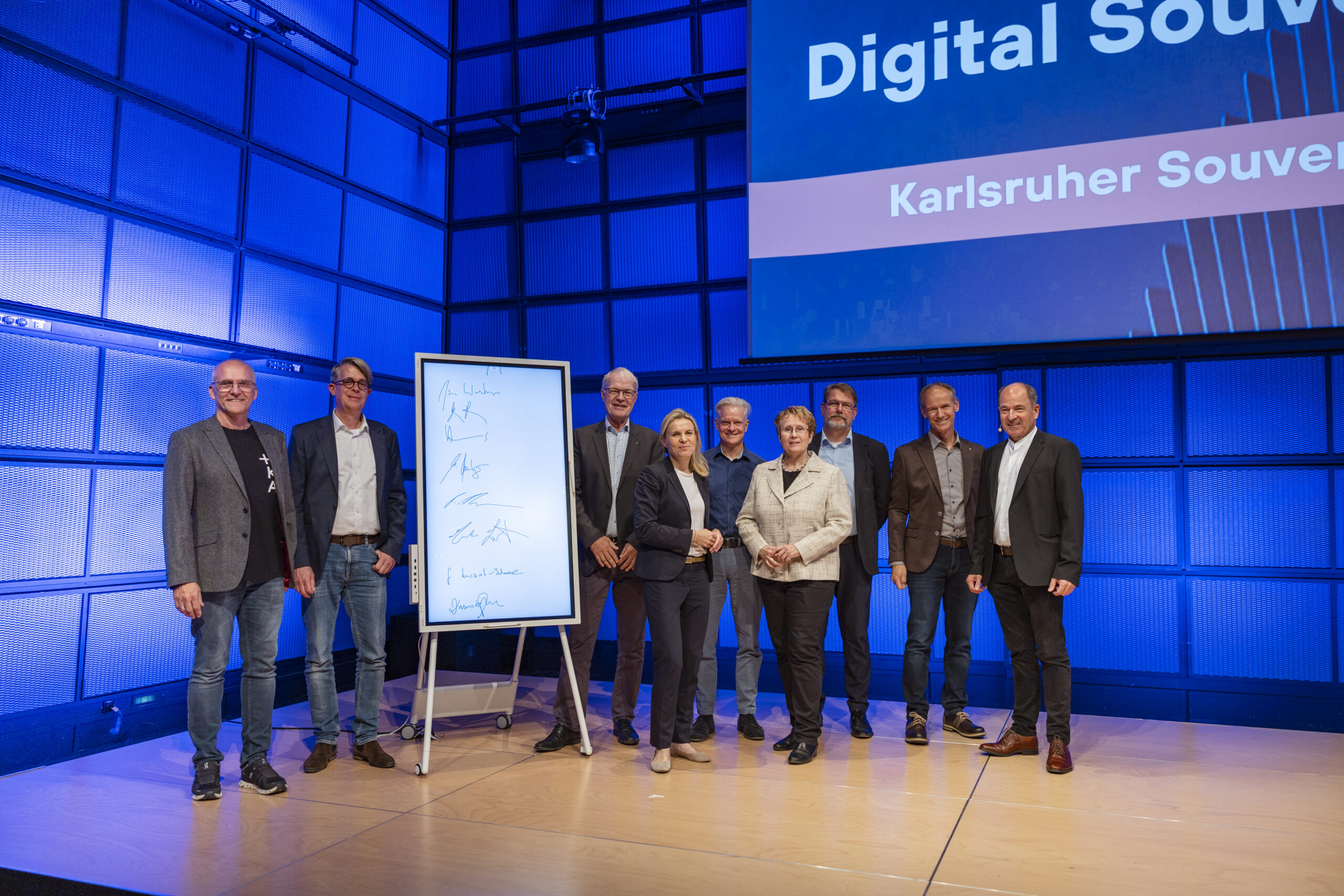
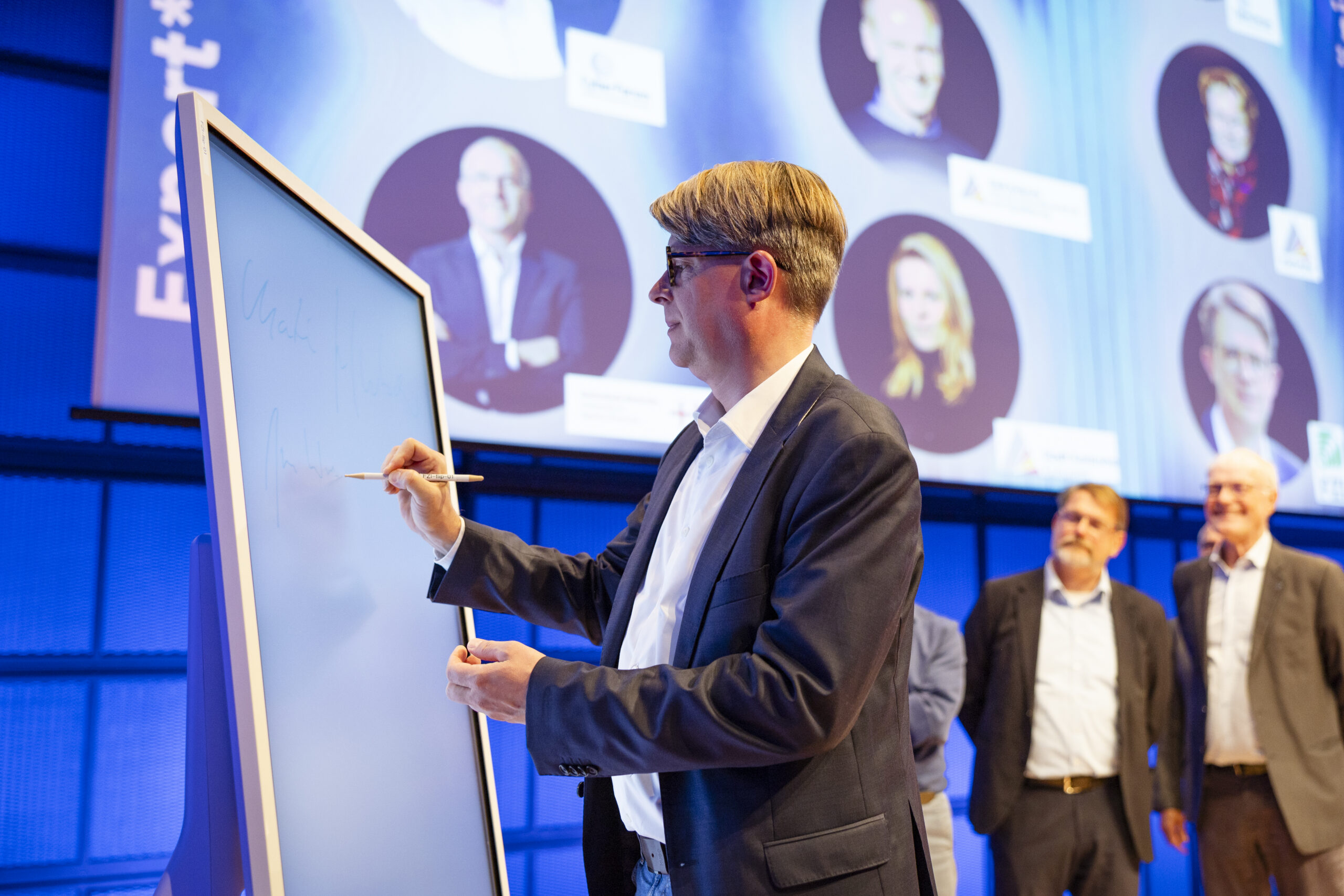
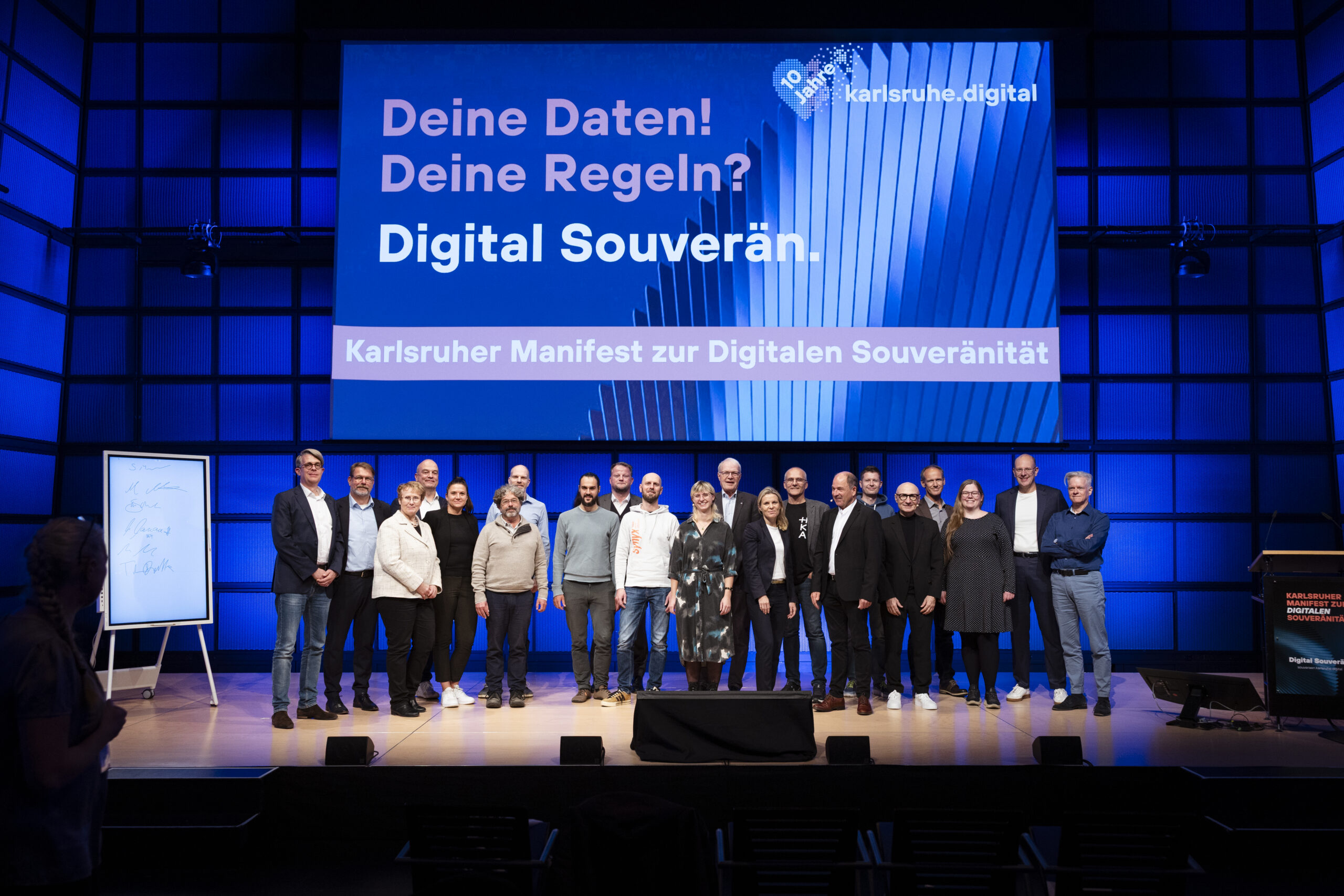
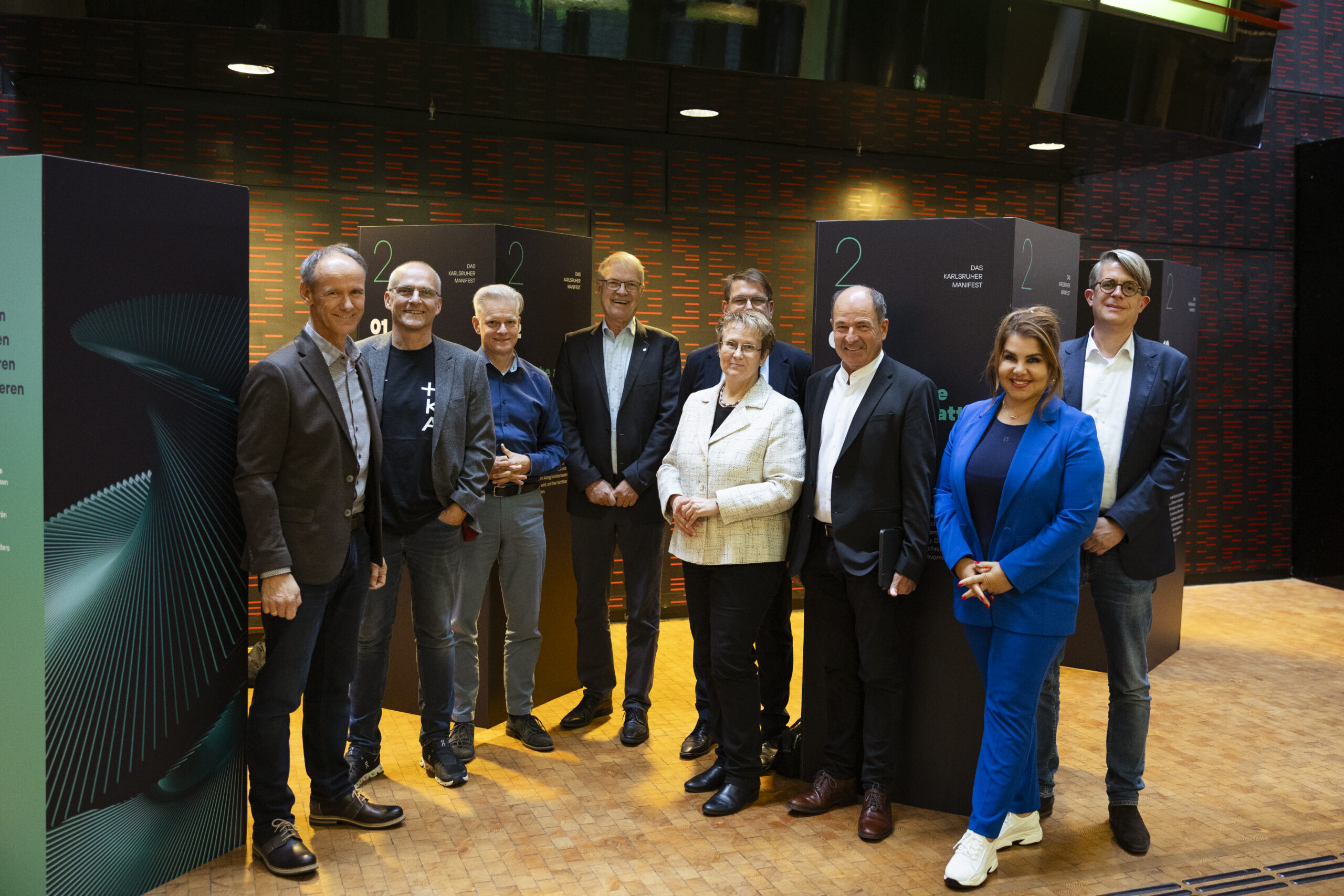
“Europe’s digital sovereignty is not decided in Brussels or Berlin. It emerges where expertise is pooled, technologies are tested, and dependencies are practically reduced.” And this applies particularly to Karlsruhe: With today’s presentation of the Karlsruhe Manifest on Digital Sovereignty, stakeholders from the karlsruhe.digital initiative are demonstrating how the city is acting in ways that are economically successful, technologically open, and at the same time digitally self-determined—and how it is actively shaping digital sovereignty.
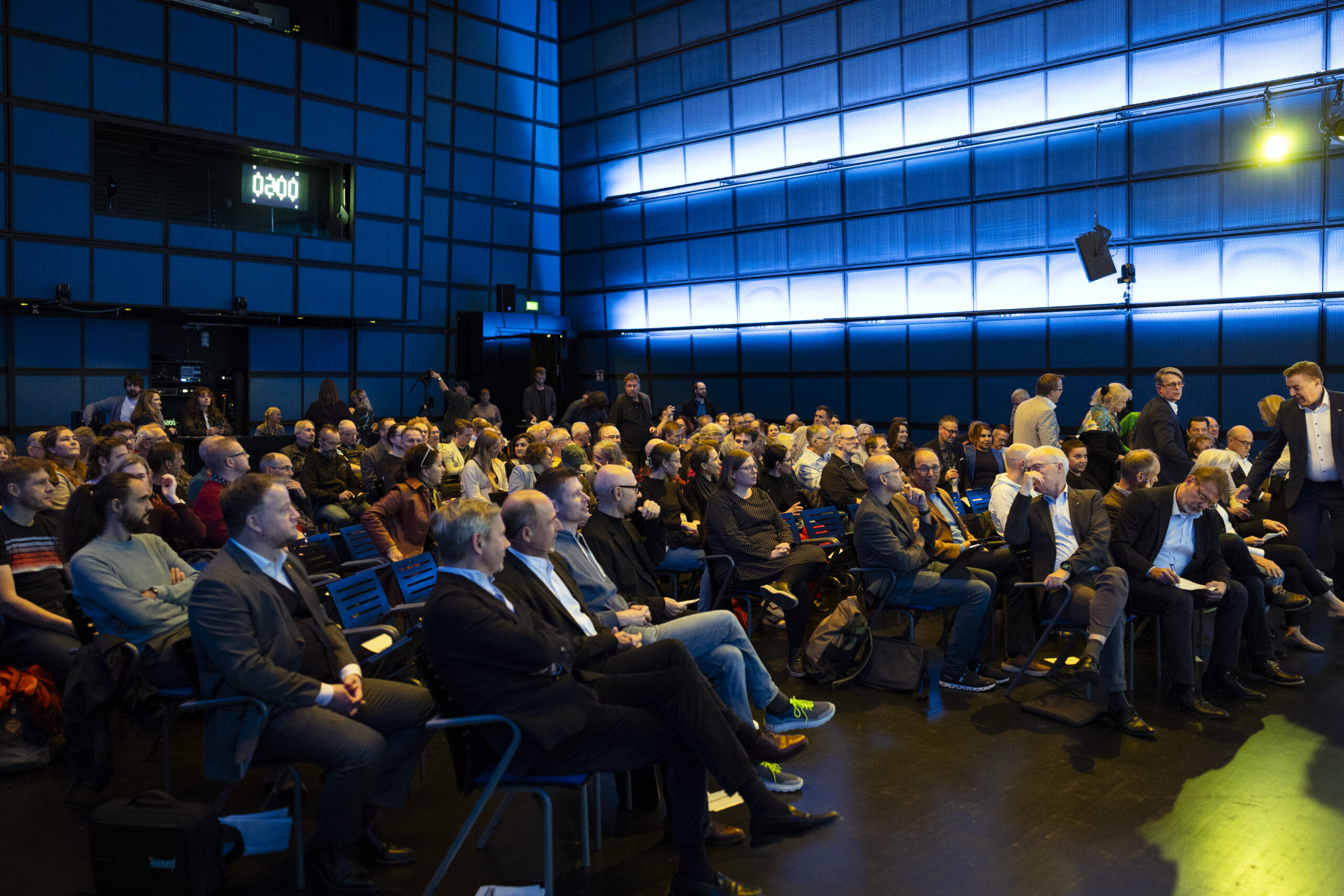
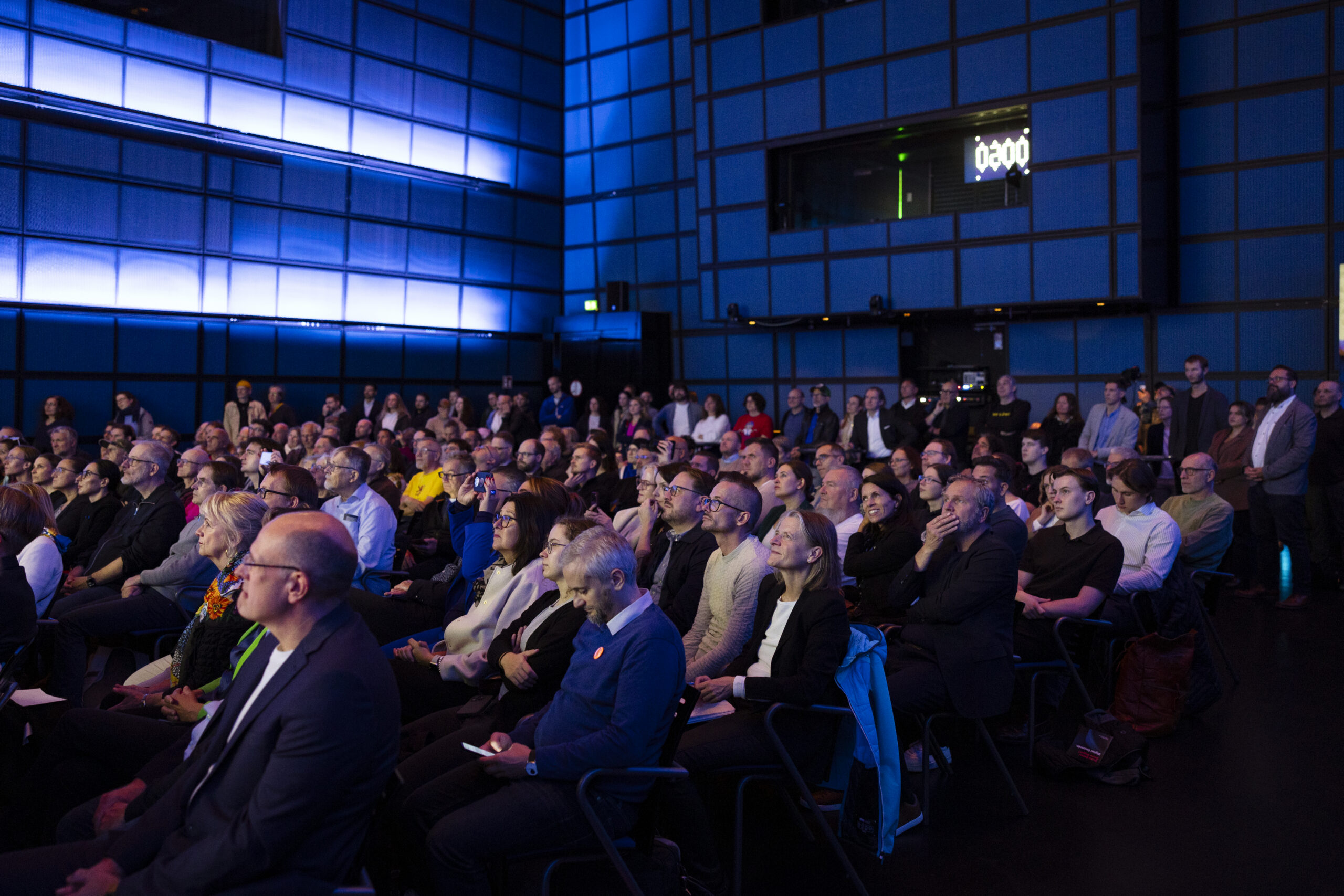
The manifesto’s 12 areas of action highlight how digital sovereignty can be achieved and what strengths Karlsruhe possesses in this regard—including IT security, data sovereignty, open standards, exit-readiness, transparent and verifiable systems, digital education, and knowledge transfer. On October 9, 2026, the karlsruhe.digital initiative publicly presented the Karlsruhe Manifest on Digital Sovereignty at the ZKM’s Media Theater.
Karlsruhe as a regional pioneer
“Research must not end with the final report. This conviction guided me as I worked on the Karlsruhe Manifest. Now we must test, implement, and further develop solutions from Karlsruhe—so that knowledge translates into freedom of choice,” emphasizes Jan Wiesenberger, Chairman of the Board of the FZI Research Center for Information Technology and also a member of the Digital Sovereignty expert group. “Karlsruhe brings a broad range of expertise to the table in several fields.”
After all, IT security is one of the location’s established core competencies. Added to this is expertise in law and data protection, as well as approaches that prioritize fairness and traceability in digital systems, Wiesenberger makes clear. Instead of unverifiable “black boxes,” the manifest focuses on transparent and trustworthy solutions such as trusted source and open source, verifiable systems, and open standards.
Digital sovereignty as a key prerequisite
The goal of the manifest is to transform Karlsruhe into a living laboratory for digital sovereignty. Karlsruhe isn’t waiting for digital sovereignty—its stakeholders are shaping, testing, explaining, and successfully putting it into practice.
About the FZI
The FZI Research Center for Information Technology, with headquarters in Karlsruhe and a branch office in Berlin, is a non-profit institution for information technology application research and technology transfer. It delivers the latest scientific findings in information technology to companies and public institutions and qualifies individuals for academic and business careers or the leap into self-employment. Supervised by professors from various faculties, the research groups at the FZI develop interdisciplinary concepts, software, hardware and system solutions for their clients and implement the solutions found as prototypes. The FZI House of Living Labs provides a unique research environment for application research. The FZI is an innovation partner of the Karlsruhe Institute of Technology (KIT) and strategic partner of the German Informatics Society (GI).
Download material & links: