
Projects
AIDA-Vis
AI-based recommendation system for complex data visualizations
Start: 01/2021
End: 05/2023
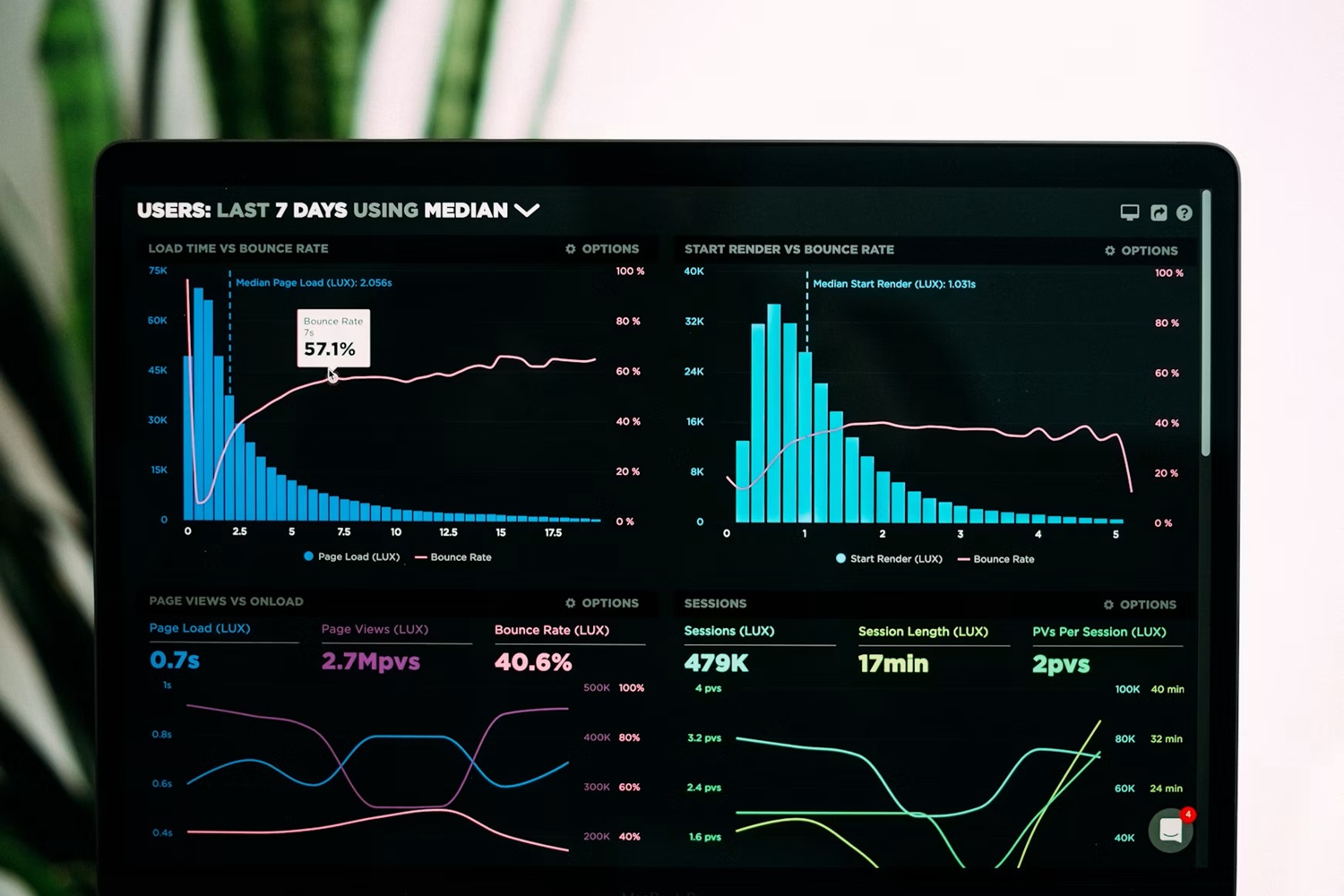
In the AIDA-Vis project, research was conducted into how machine learning methods can support the automatic recommendation and interactive personalization of data visualizations. The starting point was the observation that effective visualizations often require extensive domain knowledge, data understanding, and practical experience. At the same time, datasets, visualization types, and usage contexts are becoming increasingly complex. AIDA-Vis modeled the parametrization of visualizations as a decision-making process and investigated how user feedback in the form of simple comparisons between visualization proposals can be used to continuously improve a recommendation system. To this end, training data and metadata were created, interfaces to data sources and visualization libraries were considered, and both a learning recommender system and an interactive learning module were designed.
Role of the FZI
FZI contributed its expertise in artificial intelligence, machine learning, interactive learning, and reinforcement learning to the project. FZI was involved in the scientific and technical conception of the system and supported Disy in implementing the learning recommendation system. One of FZI’s main focuses was the development of algorithms for interactive learning: users were intended to provide feedback through simple preference decisions between visualization proposals, which would then be used to train and improve the recommender. In addition, FZI provided scientific support for the system design and evaluation, contributed prior work on structured decision-making problems, interactive and automated machine learning, multimodal knowledge representations, and took on tasks related to scientific dissemination and project networking.
Contact person

Department Manager
Division: Information Process Engineering
Headquarters Karlsruhe
Research focus
Applied Artificial Intelligence
AI from research to practice: We promote applied AI for business and small and medium-sized enterprises, integrating technology with law and ethics.
Energy and Sustainability
Sustainability and practical relevance are key: We develop IT innovations for companies that contribute to a climate-friendly and resource-efficient economy.
Digital Society
Drawing on our expertise in applied AI, computational social science, and medical technology, we develop solutions for the political, business, and civil sectors.